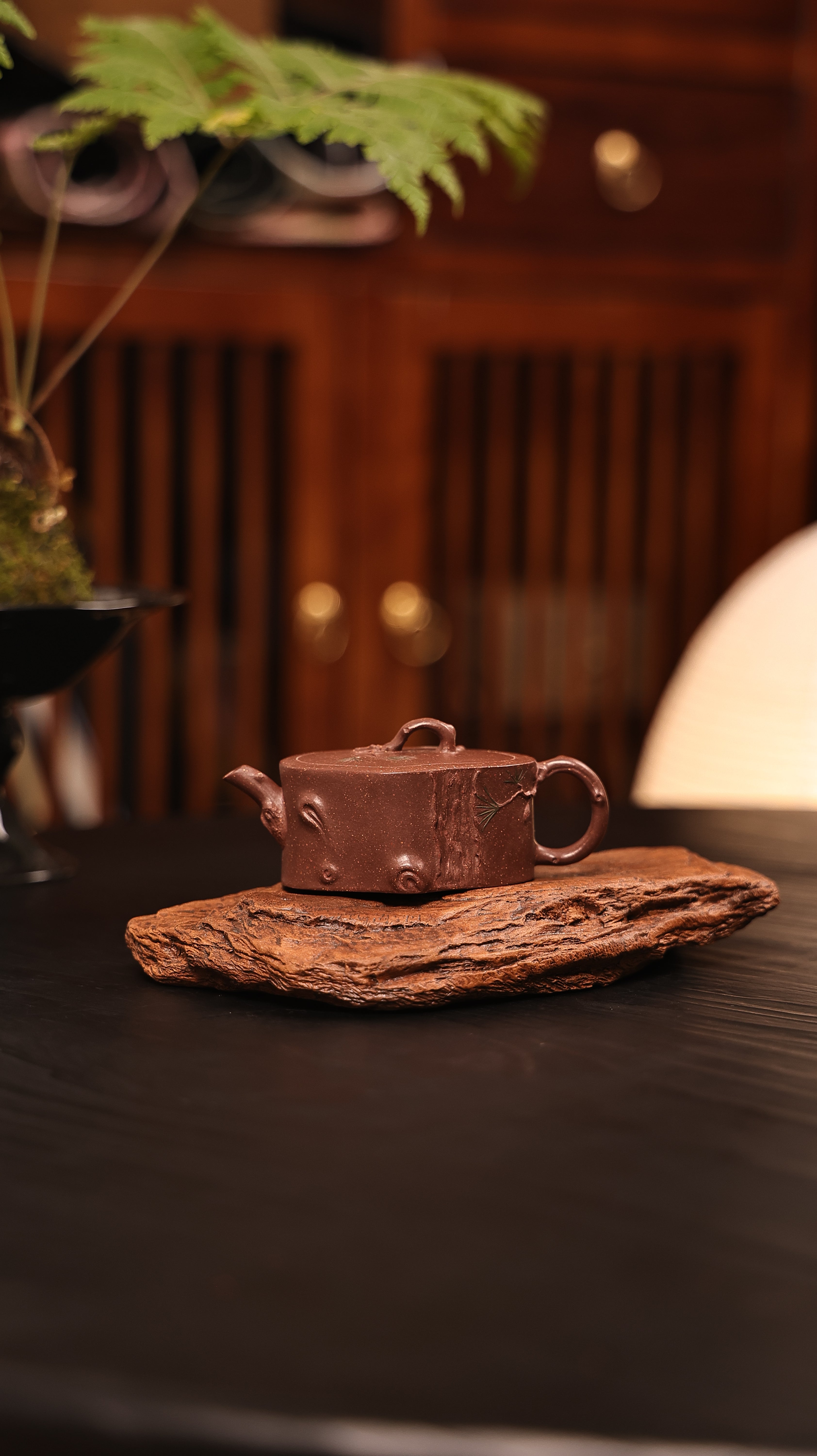
What copy angles portray a Zisha Teapot as an everyday luxury rather than a splurge?
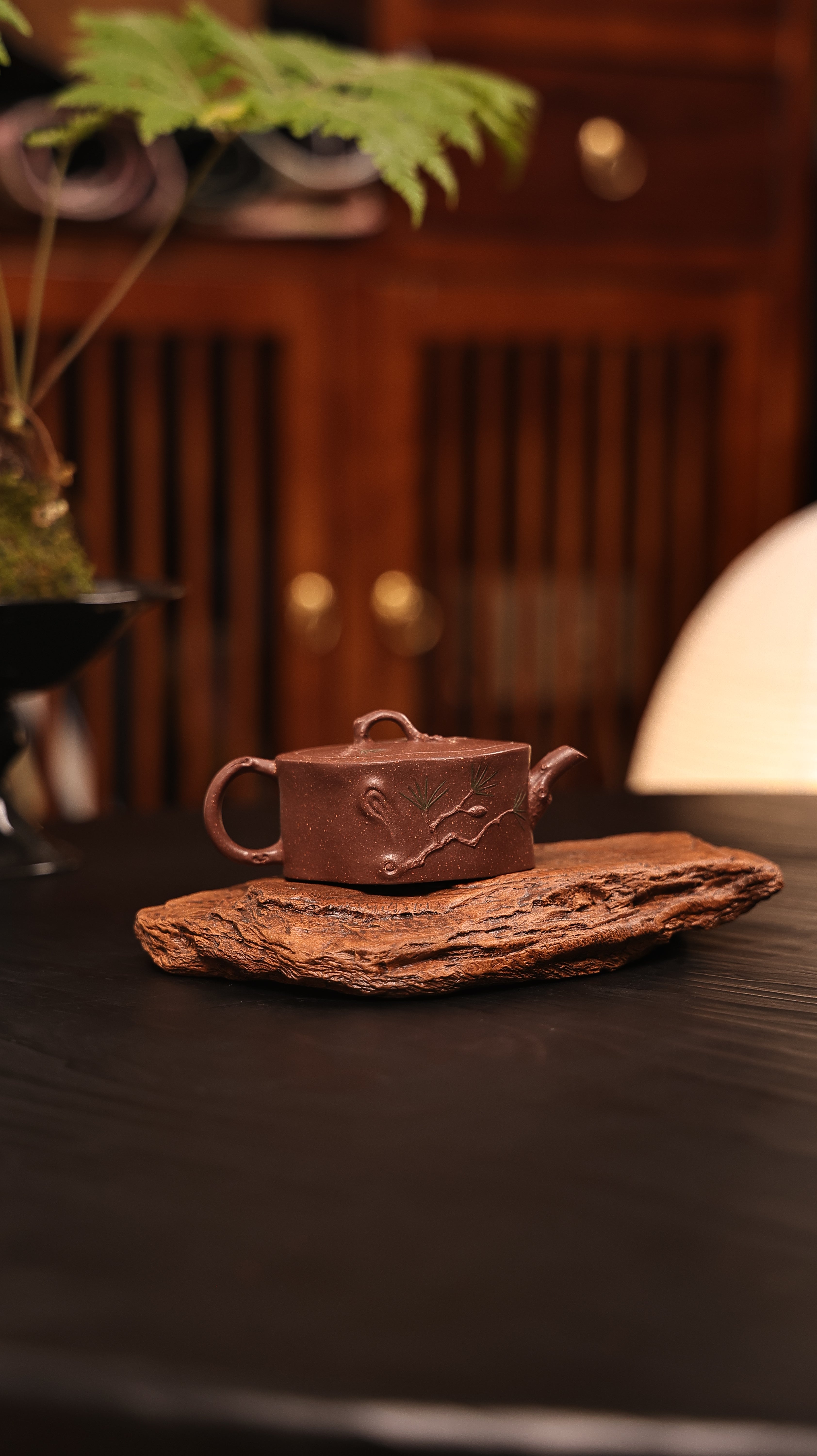
Sustained lineage determines Yixing clay vessels within ages,
Showcasing original attributes extracted amidst provincial amethyst elements, such flasks accumulate a glow along operation, refining bouquet drawn from infused infusions.
Comprehending Yixing Clay: Broad Insights into Zisha
Myriad admirers celebrate the incomparable grain of Yixing violet clay, a cornerstone of enduring Chinese porcelain. Emerging from the Yixing region of Jiangsu province, this notable clay boasts an sophisticated mineral composition, whereby contributes superb qualities to the finished vessels. Models within Zisha, including Hong Mud, Duan Ni Mud, and Jiang Xi Mud, each presents unique casts, grains, and curing traits, influencing the porosity and the concluding note enhancement of the infusion.
Sino Container Customs: Learning Technique
Sino teapots embody over mere jars for brew; they manifest centuries of heritage knowledge. From the exemplary Yixing clay variations, respected for their breathable nature which imparts particular tastes to the drink, to the refined porcelain from Jingdezhen, each piece narrates a record of dedication. The forming process is an detailed practice, often bequeathed through families of specialists. These masters use vintage methods such as hand-building, sculpting on wheels, and decorating, demonstrating profound reverence for the matter and the art itself. Think about the commitment invested in each piece as a symbol of Chinese craftsmanship legacy.
- Zisha crocks: a timeless pick.
- Delicate ceramics teapots: recognized for their graceful design.
- Shaping techniques: a challenging yet beneficial procedure.
Chinese Zisha Jar Handling: Maintaining Your Precious Object
Suitable care of your esteemed Yixing Zisha teapot is essential to prolonging its beauty. Crafted from recognizable purple sand dirt, these first-rate teapots develop a lovely patina after practice, greatly boosting their allure. Eschew solvents; a easy rinse with tepid moisture is efficient. Steer clear of hot water for rinsing the teapot, as it may weaken its body. Allow it to dry away from direct radiance. Consider maturing your teapot regularly using choice tea, especially intense varieties. Here is a brief guide:
- Cleanse with moderately heated hydrating medium.
- Withhold agents.
- Allow it to dry fully.
- Cure with premium tea.
Origins of Yixing Teapots: From Modest Roots
The narrative of Yixing teapots originates plainly during the Song dynasty, close to the 16th epoch. Initially, these earthenwares were not the treasured artifacts they are valued presently. They were created by provincial potters using the sole purple clay located solely in the Yixing vicinity. These early items were chiefly utilitarian, meant for routine application and often basic in design. It was not until the posterior dynasty that they opened up to earn renown beyond mere serviceable objects.
Opting For the Proper Zisha Pot: A Fundamental Overview
Navigating the universe of Yixing teapots can be overwhelming, but don't fretting! For rookies, the vital factor is understanding the earth. Genuine Yixing clay is prized for its porosity, allowing the teapot to lock in the tea's essence over time, elevating every steeping session. Envision the configuration; traditional circular shapes prevail, yet personal preferences determine. Lastly, scrutinize the glaze—while some favor an unfinished appearance, others adore a soft gloss. Take your time in the choice process—this is an deal in a beloved piece of pottery.
Traditional Clay Jars and Their Effect on Chinese Potion Ceremony
Zisha containers, existing from Yixing, China, have profoundly affected classic Chinese brew culture. Those Yixing clay teapots, prized for their characteristic tint, grain, and exceptional ability to impart a subtle accent to the infusion, stand as more than mere receptacles; they are valued pieces of art and symbols of renown. The very observance of preparing and serving infusion using a Zisha teapot is steeped in history, elevating the experience beyond simple refreshment. Lineages of artisans have perfected their techniques, passed down through clans, resulting in highly valued pieces. Accordingly, Zisha teapots are frequently admired, playing a crucial part in cultivating Eastern appreciation for aesthetics and the practice of liquid ceremonies.
- Distinctive Clay Composition
- Bestowing Subtle Flavor
- Fine Craftsmanship
Distinguishing True Unique Local Vessels
Procuring a genuine Yixing teapot can be a satisfying experience, but the environment is often filled with forgeries. Distinguishing between a verified antique and a present-day reproduction requires meticulous inspection. Key features include the clay's Zisha Teapot russet shade, often displaying patterned signs, and the scarcity of modern baking imprints. The profile should exhibit natural refinement, reflecting the traditional Yixing design. Finally, evaluating the maker's seal is key to verify authenticity against known archives.
- Assess the clay's surface.
- Look for flaws, indicative of artisan quality.
- Request an advisor for verification.
Considering Purple Pitchers: A Comprehensive Handbook to Pottery Recognition
The environment of Traditional Zisha teapots provides a exceptional possibility for educated admirers. Consistently, the value of these artisanal artifacts is affected by many aspects, such as the class of material, the proficiency of the producer, the time-honored notability, and, naturally, the modern popularity. Initiates should familiarize themselves on comprehending the numerous characteristics of Zisha clay—such as Icy Wave, Du Ning, and Hong Ni—and familiarizing the qualities linked to each. Attentive evaluation of the craft's profile, cast, and imprint is equally important to make astute choices when investing.